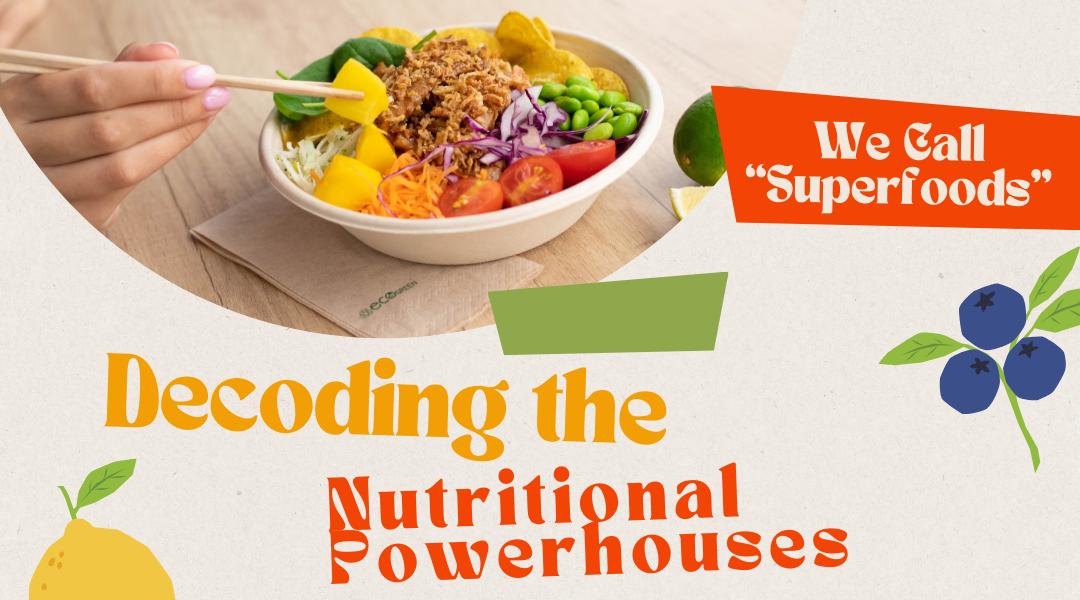
For years, the term “superfood” has dominated headlines, social media feeds, and grocery store labels. From the misty mountains where goji berries grow to the deep waters harvesting spirulina, these nutritional celebrities are promised to fight disease, slow aging, and boost energy to unparalleled levels. But what exactly propels a simple berry, seed, or leaf into this stratosphere of dietary stardom? The answer lies not in marketing magic, but in the profound, intricate symphony of micronutrients working at a cellular level. To truly understand what makes a food earn its “super” prefix, we must venture beyond the label and into the fascinating science of antioxidants, vitamins, and minerals—the invisible architects of our vitality.
The Cellular Battlefield: Where Nutrition Meets Biology
Every moment of every day, our bodies are engaged in a silent, microscopic war. The very process of living—converting food into energy, fighting off pathogens, even breathing—generates unstable molecules known as free radicals. Think of them as rogue electrons, highly reactive and damaging as they bounce around, colliding with and oxidizing healthy cells. This oxidative stress is a natural part of metabolism, but when left unchecked by modern stressors like pollution, processed foods, and UV radiation, it becomes a primary driver of cellular aging, inflammation, and the onset of chronic diseases.
This is where the first heroes of our story enter: antioxidants. They are the body’s dedicated peacekeepers, donating electrons to neutralize free radicals without becoming destabilized themselves. The term “antioxidant” isn’t a single substance, but a vast category of compounds with this unique, sacrificial capability. Superfoods are often exceptionally dense in a diverse array of these protective agents, offering a multi-layered defense system that isolated supplements cannot replicate.
- The Antioxidant Spectrum: The brilliance of a true superfood lies in its complex antioxidant profile.
- Phenolic Powerhouses: Found abundantly in berries (like blueberries and açai), dark chocolate, and coffee, these include flavonoids and anthocyanins—the pigments that give these foods their vibrant colors. They don’t just combat oxidation; they support blood vessel health and cognitive function.
- Vitamin All-Stars: Vitamins C (in citrus, bell peppers, kiwi) and E (in nuts, seeds, spinach) are classic, potent antioxidants. Vitamin C is water-soluble, patrolling the bloodstream and cellular fluids, while fat-soluble Vitamin E guards our lipid-rich cell membranes.
- The Unsung Carotenoids: Beta-carotene (in sweet potatoes, carrots), lycopene (in cooked tomatoes), and lutein (in kale, eggs) are antioxidants that specialize in protecting specific tissues—like the eyes and skin—from light-induced damage.
- The Enzyme Activators: Minerals like selenium (in Brazil nuts) and manganese (in pumpkin seeds) are crucial because they form the core of the body’s own endogenous antioxidant enzymes, such as glutathione peroxidase. They are the commanders that activate our internal defense lines.
Vitamins and Minerals: The Master Regulators of Metabolism
While antioxidants handle defense, the superfood status is equally earned by an exceptional density of essential vitamins and minerals. These are not mere fuel; they are the master co-factors and co-enzymes that facilitate every biochemical reaction in the body, from generating energy from food to building new DNA.
1. Vitamins: The Specialized Technicians
- B-Vitamins Complex: Abundant in nutritional yeast, lentils, and leafy greens, the B-vitamins (folate, B12, riboflavin, etc.) are the indispensable crew for converting dietary carbohydrates, fats, and proteins into usable cellular energy (ATP). They are the spark plugs of our metabolic engine.
- Vitamin K: Ubiquitous in dark, leafy greens like kale and spinach, it goes far beyond blood clotting. Vitamin K is a direct manager of calcium, shuttling it into bones (strengthening them) and away from arteries (protecting them from calcification).
- Vitamin A (from Beta-Carotene): Crucial for immune function, vision, and cellular communication, it exemplifies the synergy in whole foods. The body converts beta-carotene from plants into active Vitamin A as needed, providing a self-regulating, non-toxic source.
2. Minerals: The Structural and Electrical Backbone
- Magnesium: Found in high concentrations in pumpkin seeds, almonds, and spinach, this mineral participates in over 300 enzymatic reactions. It regulates muscle and nerve function, blood sugar control, blood pressure, and is fundamental for synthesizing the body’s primary antioxidant, glutathione. A true superfood often serves as a robust source of this frequently deficient mineral.
- Zinc: Abundant in seeds like hemp and pumpkin, zinc is the foreman of the immune system, directing the production and activity of white blood cells. It’s also essential for wound healing, DNA synthesis, and sensory functions like taste and smell.
- Iron: The core of hemoglobin in red blood cells, its plant-based (non-heme) form, found in spinach and legumes, is best absorbed when paired with Vitamin C from the same whole food source—another example of innate nutritional synergy that defines a superfood.
The Symphony, Not the Solo: Why Synergy is the True “Super” Power
This brings us to the most critical concept separating genuine superfoods from processed, fortified products: nutrient synergy. A lab-created pill containing isolated Vitamin C is not a superfood. But a camu camu berry or a piece of broccoli is. Why? Because it delivers Vitamin C packaged with a complementary matrix of fiber, bioflavonoids, and other phytonutrients that enhance its absorption, efficacy, and biological activity.
Fiber in whole superfoods slows digestion, allowing for better nutrient uptake. Certain plant compounds increase the bioavailability of minerals. The thousands of phytonutrients, many still undiscovered, work in concert—a phenomenon often called “food synergy.” This complex, natural package is something reductionist science and synthetic nutrition cannot authentically replicate. The whole food is fundamentally greater than the sum of its scientifically quantified parts.
Demystifying the Superfood Pantry: A Practical Lens
So, how does this science translate to your plate? True superfoods are not exclusively exotic or expensive imports. Their “super” quality is defined by nutrient density—the highest ratio of micronutrients per calorie. This includes:
- The Vibrantly Colored: Deep greens (kale, Swiss chard), bright reds and purples (berries, beets), and rich oranges (sweet potato, mango) are visual cues to a high phytonutrient content.
- The Densely Packed: Seeds (chia, flax), nuts (walnuts, almonds), and legumes (lentils, black beans) deliver concentrated minerals, healthy fats, and protein in a small package.
- The Fermented: Foods like kimchi, kefir, and sauerkraut are super for their probiotic content, supporting the gut microbiome—which is now understood to be central to immune function, mental health, and nutrient absorption.
Conclusion: Embracing a “Super” Diet, Not Just Superfoods
In our quest to decode what makes a food “super,” we find that the label is less about a single miraculous ingredient and more about a recognition of exceptional, synergistic nutritional complexity. These foods are nature’s most potent, all-natural multivitamins and pharmaceutical-grade compounds, delivered in a perfectly balanced, bioavailable form.
Ultimately, the most profound insight is this: obsessing over a single “superfood” is less powerful than cultivating a “super diet.” No one food, no matter how dense in antioxidants or vitamins, can compensate for an otherwise poor nutritional landscape. The goal is to incorporate a diverse rainbow of these nutrient-dense foods into a balanced, whole-foods-based dietary pattern. By doing so, we move beyond the marketing hype and tap into the authentic, time-tested power of food as medicine—fueling our bodies with the sophisticated biochemical toolkit they need to thrive, repair, and protect themselves from the inside out. The true “super” power, it turns out, lies not in a forgotten berry from a distant jungle, but in our daily, conscious choice to nourish ourselves with the profound intelligence of the natural world.