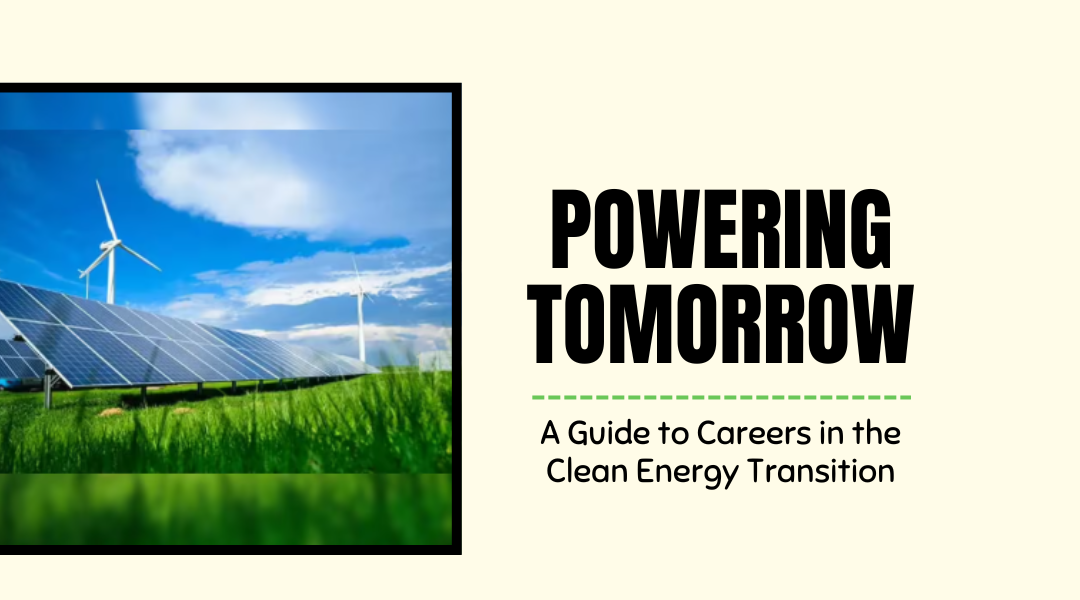
Introduction: The Great Re-skilling
We stand at the precipice of a global economic transformation as significant as the original Industrial Revolution. The shift from fossil fuels to renewable energy isn’t just about changing our power sources; it’s about rewiring our entire industrial and societal infrastructure. This monumental undertaking is not a distant future—it’s unfolding now, and it is creating a vast and dynamic new landscape of careers. This isn’t merely a niche for engineers and scientists; it’s a burgeoning field that will demand a diverse army of skilled professionals, from data analysts and project managers to lawyers and community organizers.
The “future of jobs” in renewable energy is about more than installing solar panels. It’s about building, managing, and optimizing the intelligent, decentralized, and sustainable systems that will power our world. For students, career-changers, and visionaries, this represents a historic opportunity to align professional purpose with planetary well-being. Let’s explore the key frontiers where this demand is taking shape.
The Four Pillars of Clean Energy Employment
The Architects of Generation: Designing the New Power Grid
This pillar encompasses the classic roles we associate with renewables—the hands-on work of capturing energy from natural sources.
- Renewable Energy Technicians: These are the boots-on-the-ground experts who install, maintain, and repair the physical infrastructure. This includes solar photovoltaic (PV) installers, wind turbine service technicians, and geothermal system specialists. As deployments scale, the demand for these highly skilled tradespeople will continue to surge, offering stable, hands-on careers that can’t be outsourced.
- Systems Design Engineers: Before a technician turns a wrench, an engineer designs the system. These professionals—civil, electrical, and mechanical engineers—design more efficient solar farms, more powerful wind turbines, and more resilient hydroelectric facilities. They solve complex problems related to materials, grid integration, and environmental impact.
The Guardians of the Grid: Managing a Complex New Ecosystem
The old, centralized model of power generation is giving way to a complex, decentralized web. Managing this new grid requires a new breed of professional.
- Grid Modernization and Storage Specialists: The sun doesn’t always shine, and the wind doesn’t always blow. This intermittency is the greatest challenge of renewables, creating a massive need for experts in energy storage (battery technology, pumped hydro) and smart grid management. These roles involve developing software and hardware to balance supply and demand in real-time, ensuring grid stability.
- Energy Data Analysts and Cybersecurity Experts: The smart grid runs on data. Analysts will be needed to interpret vast flows of information from smart meters and sensors to optimize energy distribution and predict maintenance needs. Simultaneously, protecting this critical infrastructure from cyber-attacks will be paramount, creating a high-stakes niche for cybersecurity professionals specializing in energy systems.
The Enablers and Strategists: Building the Business of Clean Power
Turning technological potential into economic reality requires a robust support structure of business, policy, and financial experts.
- Sustainability and ESG (Environmental, Social, Governance) Consultants: Companies and investors are under increasing pressure to decarbonize. Consultants in this space help organizations develop and implement clean energy strategies, measure their carbon footprint, and navigate the complex landscape of environmental regulations and green financing.
- Renewable Energy Project Developers and Financiers: These are the deal-makers. Developers manage the entire lifecycle of a renewable project, from land acquisition and permitting to construction and commissioning. They work closely with financial analysts and green investment specialists who structure deals, secure funding, and assess the risk and return of multi-million-dollar projects.
The Innovators on the Horizon: Pioneering the Next Wave
The energy transition is a continuous process of innovation, opening doors for careers in cutting-edge technologies.
- Green Hydrogen and Biofuel Engineers: As we seek to decarbonize hard-to-electrify sectors like heavy industry and aviation, green hydrogen (produced using renewable electricity) and advanced biofuels will become critical. This will create roles in production, storage, and logistics for these new energy carriers.
- Circular Economy and Materials Specialists: The renewable energy industry must itself become sustainable. This includes developing recycling processes for solar panels and turbine blades, and sourcing critical minerals responsibly. Careers will emerge in material science, supply chain logistics, and end-of-life recycling for renewable components.
Conclusion: A Career with a Legacy
Pursuing a career in the renewable energy sector is more than a job choice; it’s a commitment to being an active participant in one of the most defining endeavors of the 21st century. The roles are as varied as human talent itself, blending technical skill with strategic thinking, and business acumen with environmental stewardship.
The most successful professionals in this field will be agile, lifelong learners, adaptable to the rapid pace of technological change. They will be systems-thinkers, understanding how policy, technology, finance, and community engagement intersect. For those ready to answer the call, the renewable energy sector offers a rare and powerful combination: a personally rewarding career path and the profound satisfaction of contributing to a stable and healthy planet. The future is not just bright; it’s powered by clean, intelligent, and human ingenuity.