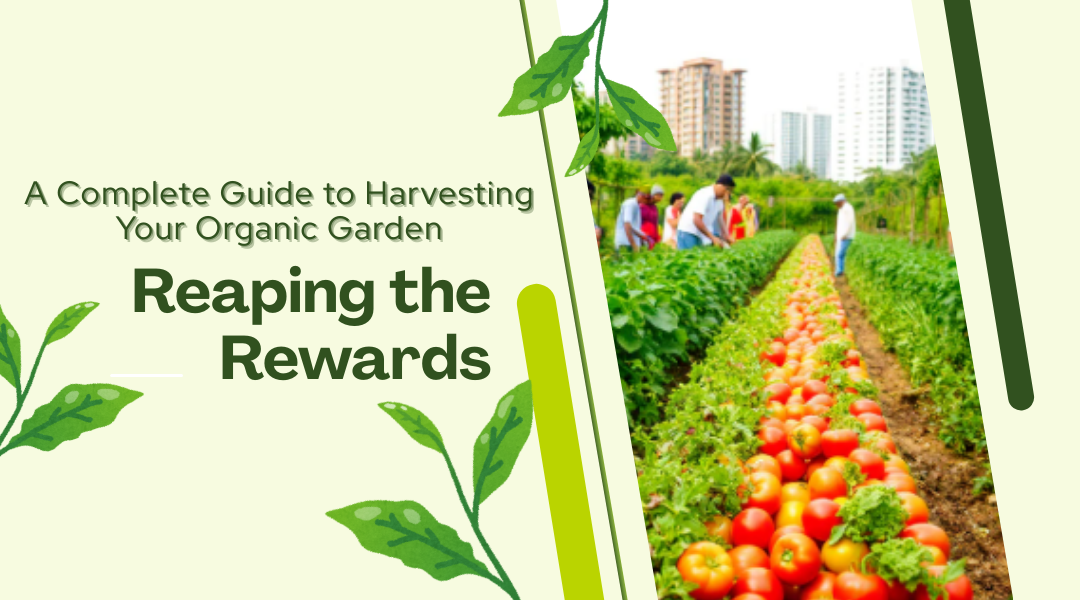
After weeks of tending, watering, and watching your garden grow, the most exciting moment finally arrives: harvest time. Picking your vegetables at the right moment is essential—not just for flavor, texture, and nutrition, but also to encourage plants to keep producing. With careful observation and the right techniques, you can enjoy a steady, abundant supply of fresh, homegrown vegetables.
Knowing When Your Vegetables Are Ready
Timing is everything in harvesting. Collect too early, and your produce may be underdeveloped; wait too long, and it can become tough, bitter, or overripe. Look for these signs of readiness:
- Size: Each vegetable has a typical mature size depending on its variety—check the seed packet or plant tag for guidance.
- Color: Many fruits and vegetables change color as they ripen. Tomatoes turn their signature red or yellow, peppers shift to green, red, or orange, and eggplants become glossy and deep in hue.
- Firmness: Ripe vegetables should feel solid but not hard. Overripe ones can be mushy or brittle.
- Ease of Separation: Many fruits detach easily from the stem with a gentle twist or pull when fully ripe.
Harvesting Specific Vegetables
Leafy Greens
- Lettuce (Loose-Leaf): Snip outer leaves when they reach 4–6 inches, leaving the central growth point intact to continue producing.
- Spinach: Similar to lettuce—harvest outer leaves before the plant bolts.
- Swiss Chard: Pick outer leaves 6–10 inches long, leaving inner leaves to grow.
Root Crops
- Radishes: Gently brush away soil to check size (usually 1–1.5 inches in diameter). Harvest promptly to avoid woody or pungent roots.
- Carrots: Pull when they reach desired thickness. Flavor can improve slightly after a light frost. Loosen soil with a fork if needed.
Fruiting Vegetables
- Bush Beans: Pick pods when firm and crisp, before seeds bulge and pods become tough. Frequent harvesting every 1–3 days encourages continuous production.
- Zucchini/Summer Squash: Harvest young, usually 6–8 inches for zucchini. Overly large squash become seedy and watery. Frequent picking maintains productivity.
- Cucumbers: Pick firm, green cucumbers at their typical size; overripe fruits turn yellow and bitter.
- Peas:
- Snow Peas: Harvest when pods are flat with tiny peas inside.
- Sugar Snap Peas: Pick when pods are plump but still tender. Taste-test for sweetness.
- Tomatoes: Ready when fully colored and slightly soft. Detach easily with a gentle twist.
- Peppers: Can be picked green, but flavor and sweetness or heat develop as they mature. Cut with pruners, leaving a small stem attached.
Herbs
- Basil, Parsley, Chives, Mint: Snip leaves or stems as needed, pinching tips regularly to encourage bushier growth. Harvest before flowering for peak flavor, though flowers are often edible.
Tools and Techniques for Efficient Harvesting
Using the right tools protects both your plants and your harvest:
- Pruners or Sharp Scissors: Essential for cutting stems cleanly.
- Sharp Knife: Useful for larger leaves or heads of lettuce and cabbage.
- Garden Fork: Loosens soil for root vegetables.
- Harvest Basket: Safely carries produce without bruising.
Best Practices:
- Cut Rather Than Pull: For many fruits and pods, cutting prevents damage to the plant.
- Twist Gently: Some fruits, like tomatoes, release easily with a slight twist.
- Morning Harvest: Collect leafy greens and tender vegetables in the cool of the morning for crisper, more hydrated produce.
Handling and Storing Your Harvest
Proper handling ensures your vegetables stay fresh and flavorful:
- Gentle Touch: Avoid bruising or crushing produce.
- Keep Cool: Move harvested items out of direct sun immediately.
- Cleaning: Brush off excess soil, but delay washing most vegetables until just before eating or cooking. Root crops may be gently rinsed.
- Storage Tips:
- Room Temperature: Tomatoes (best flavor), onions, garlic, winter squash.
- Refrigeration: Leafy greens, beans, peas, broccoli, carrots, peppers, cucumbers, summer squash. Use perforated bags when possible.
- Cool, Dark Place: Potatoes, beets, and root vegetables can store like a root cellar.
- Herbs: Treat like cut flowers in water or wrap in damp paper towel inside the fridge.
Extending Your Harvest
The end of one crop doesn’t have to mean the end of your season:
- Succession Planting: Replant fast-growing crops like lettuce, radishes, and spinach throughout the season for continuous harvest.
- Season Extenders: Use hoop tunnels, cold frames, row covers, or cloches to protect crops from early frosts.
- Indoor Relocation: Pot herbs such as parsley or chives before frost to continue harvesting indoors on a sunny windowsill.
Conclusion: Enjoying the Fruits of Your Labor
Harvesting is the most satisfying stage of gardening. By watching for ripeness, using proper techniques, and storing your bounty thoughtfully, you ensure maximum flavor, nutrition, and longevity. With each carefully picked vegetable, your garden rewards your effort, turning weeks of nurturing into a delicious and wholesome harvest.